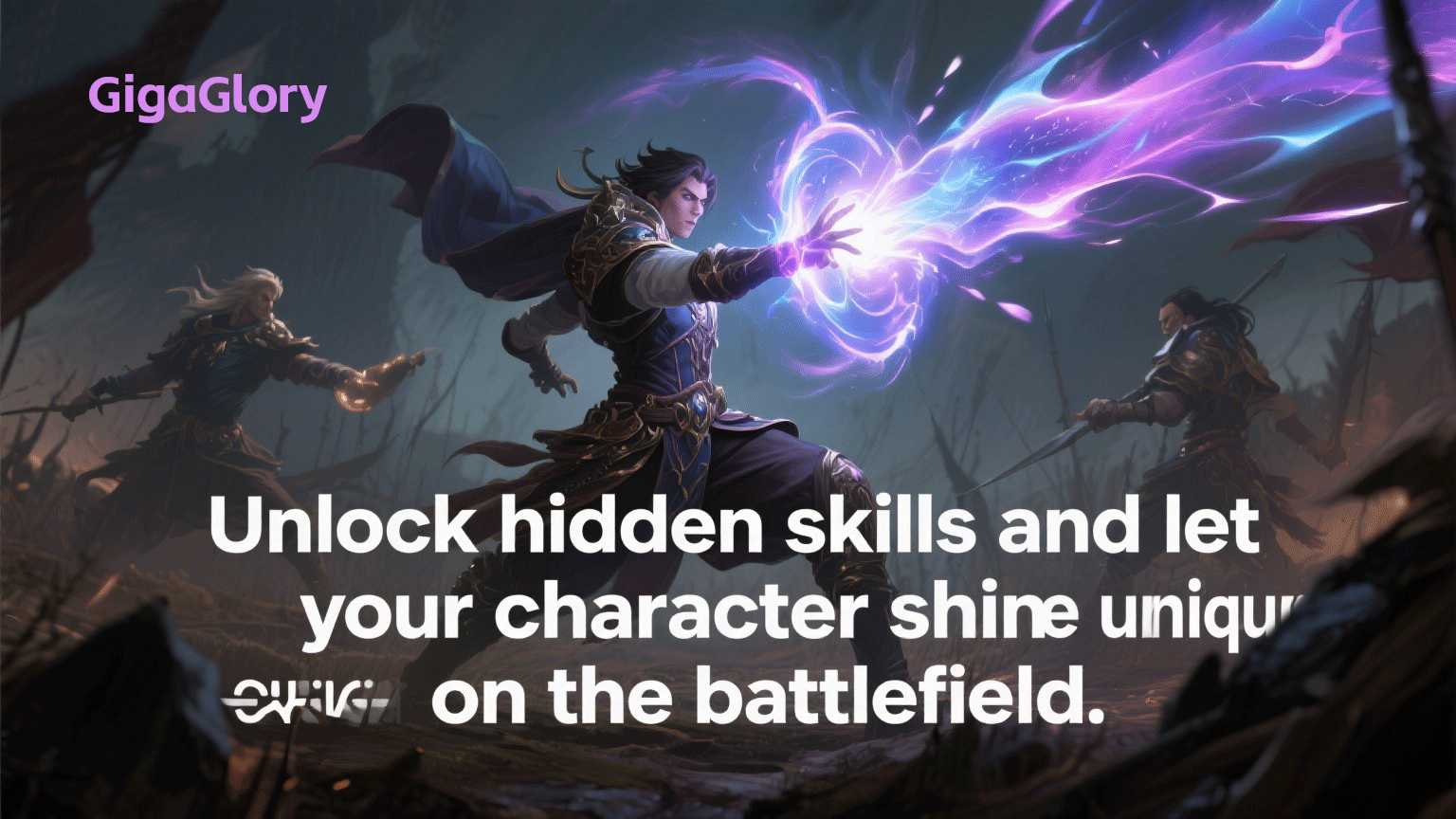
Why Sandbox Games Are the Ultimate Tool for Educational Learning in Today’s Classrooms
In the digital age, saaaandbox games have emerged as a groundbreaking educational tool, revolutionizing the way information is imparted in classrooms. This article explores the profound impact sandbox games have on learning environments and why they are essential for modern education.
The Rise of Sandbox Games in Education
Sandbox games allow players to create, explore, and interact within a virtual environment freely. This lack of limitations fosters creativity and critical thinking, which are crucial for educational development.
Understanding Educational Games
Educational games offer a structured approach to learning through interactive play. They differ from traditional methods, integrating fun into the learning process and engaging students in ways that textbooks simply cannot.
Sandbox Games vs. Traditional Educational Tools
- Engagement: Students are more engaged when playing games.
- Customization: Users can tailor their learning experience.
- Instant Feedback: Players receive real-time feedback on their progress.
Learning Through Exploration
In sandbox games like Sudoku Kingdom Puzzle, students solve puzzles by manipulating the environment around them. This hands-on approach allows them to learn through exploration, making complex concepts accessible.
Case Study: Last War Game Pyramids
The last war game pyramids illustrates how sandbox games can teach history and strategy simultaneously. Students engage in historical battles, strategizing like ancient generals while learning valuable lessons about teamwork and decision-making.
Benefits of Sandbox Games in Education
| Benefit | Description |
|---|---|
| Enhanced Creativity | Students can think outside the box and express themselves. |
| Critical Thinking Skills | Players must analyze situations and make quick decisions. |
| Collaboration | Many sandbox games promote teamwork and communication. |
Incorporating Sandbox Games in the Curriculum
Educators can incorporate sandbox games into their lesson plans to enhance the learning experience. For instance, using games that allow students to simulate real-world situations can make topics more relatable and enjoyable.
Encouraging a Growth Mindset
Sandbox games inherently promote a growth mindset, emphasizing the idea that abilities can be developed through dedication and hard work. This transformative approach encourages students to embrace challenges and persist through difficulties.
Accessibility of Educational Games
One of the significant advantages of sandbox games is their accessibility. With various platforms available, students can engage with educational content on their devices, whether in the classroom or at home. This flexibility enhances learning opportunities, especially for different learning styles.
The Role of Teachers in Facilitating Game-Based Learning
While sandbox games can enrich learning, teachers play a critical role in guiding students through these experiences. Educators should help bridge the gap between gaming and learning, ensuring that objectives are met without losing the playful aspect of learning.
Success Stories: Schools Embracing Sandbox Learning
Many schools around the world have adopted sandbox games into their teaching methods. These institutions report increased student engagement and academic performance. For instance, one North Macedonian school integrated a popular sandbox game into their science curriculum, leading to students' improved understanding of complex scientific concepts.
Challenges and Considerations
Although sandbox games are beneficial, they come with challenges. Not all games are created equal—some may lack educational value. Furthermore, not all students may thrive in a gaming environment, necessitating a balanced approach to incorporate various teaching methods.
Future of Educational Games
The future looks promising for sandbox games in education. As technology advances, learning tools will become more sophisticated. Educators must stay informed about these trends to continually offer the best for their students.
Conclusion
In conclusion, sandbox games are more than entertainment; they are a vital educational resource that fosters creativity, critical thinking, and collaboration among students. By integrating these innovative tools into classrooms, educators can create engaging and effective learning experiences, preparing their students for future challenges. Embracing the potential of sandbox games might very well transform the landscape of education in North Macedonia and beyond.